
Alongside Casablanca, The Maltese Falcon stands as one of Humphrey Bogart’s most iconic performances. It’s a defining piece of cinema in the film noir genre—a term that originates from the French word for “black,” but in the context of film, has come to signify much more than just a visual style. Noir films are steeped in cynicism, fatalism, and moral ambiguity. And if ever there were a quintessential example, The Maltese Falcon is it.
This is dark story—literal and metaphorical. It’s a world where lies are currency, betrayal is inevitable, and the line between right and wrong is not just blurred—it’s practically invisible. Murder, deceit, manipulation, and self-interest drive every character. There are no heroes here. Every motive is suspect. By the time the final credits roll, you may feel the need to step outside and let the sunlight remind you that goodness still exists.
Even the woman introduced as a damsel in distress turns out to be a cold-blooded killer. And at the center of all this corruption is a small, mysterious object: the enigmatic Maltese Falcon—a statue that symbolizes ultimate desire, obsession, and the corrupting power of greed. In the film’s final moments, as the police arrest the woman who has manipulated and murdered her way toward the falcon—only to be double-crossed herself—a detective holds the object in his hand and asks, “What is this?” Bogart’s character pauses and then delivers one of the most haunting lines in movie history: “The . . .stuff that dreams are made of.”
It’s a chilling moment, because it speaks to the broken dreams of every character in the film—people who chased after something they believed would fulfill them, only to be undone by their own moral bankruptcy. The falcon was supposed to be priceless, but in the end, it was a worthless fake. Their dream turned to dust.
That line—”the stuff that dreams are made of”—lingers with me, especially when I reflect on real dreams, the ones worth living for. In Deuteronomy 6:20–25, God instructs the people of Israel to teach their children not just the laws, but the story behind those laws—the why behind the what. Verse 25 is especially powerful: “And if we are careful to obey all this law before the Lord our God, as he has commanded us, that will be our righteousness.”
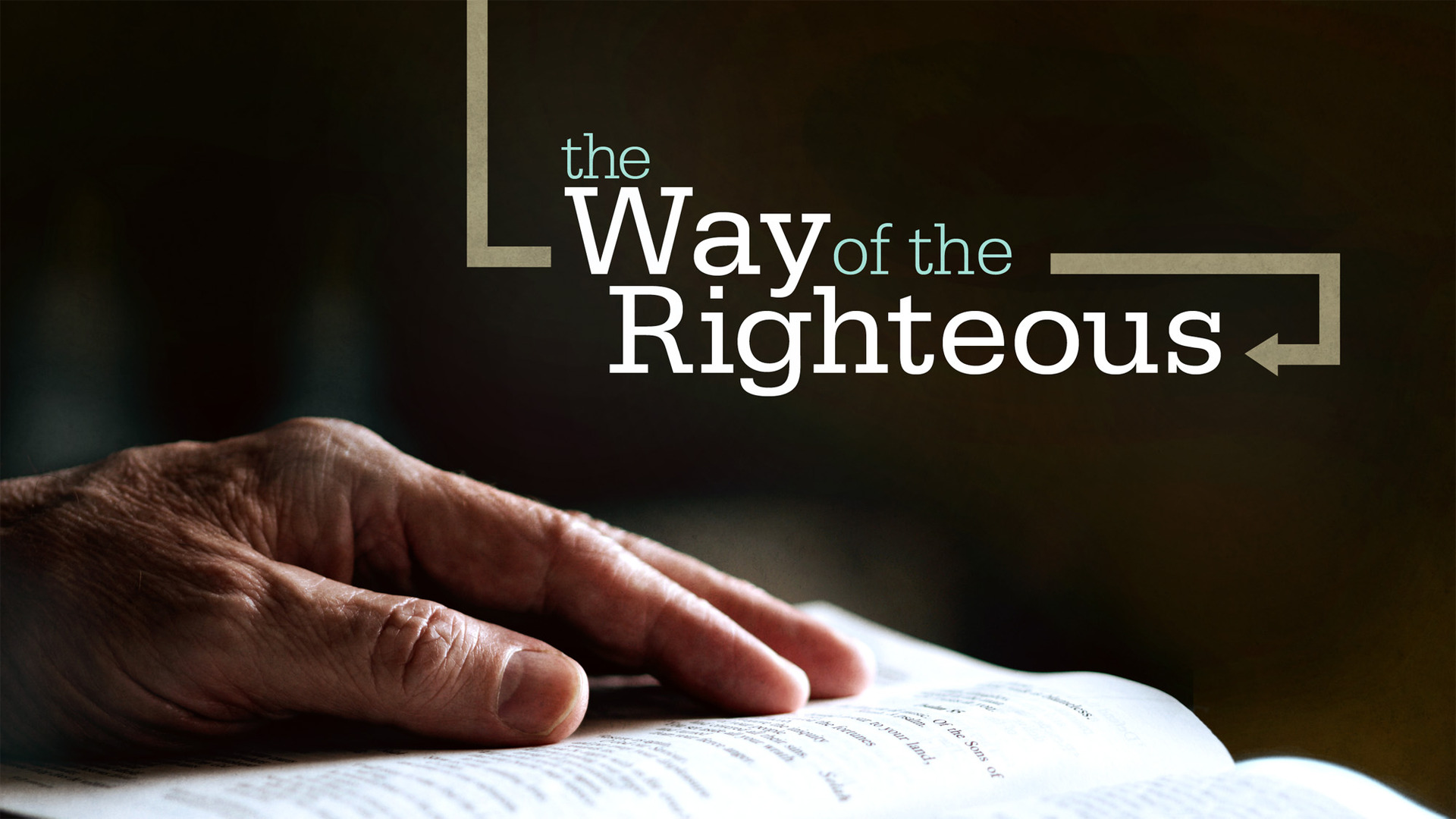
For those of us who believe, this verse reframes the concept of desire. If film noir shows us what happens when we chase after false dreams, Scripture shows us what we should truly long for. Righteousness—that is the stuff that dreams are made of.
The Hebrew word for righteousness, “tzedakah”, isn’t just about moral behavior—it describes a state of living in alignment with God’s will. A “tzadik” a righteous person, is someone who walks that path daily, not out of obligation, but out of love and reverence for the Lord. Isaiah 42:6 captures this beautifully:
“I, the Lord, have called you in righteousness; I will take hold of your hand…” And Proverbs 21:3 reminds us: “To do what is right and just is more acceptable to the Lord than sacrifice.”
So, we must ask ourselves: What are we chasing? What, for you, is “the stuff that dreams are made of”? Is it the new truck, the bigger house, the boat? Or is it something deeper, more eternal, becoming more like Christ, walking in faithfulness, and reflecting God’s righteousness in your daily life?
Imagine standing before God one day and hearing Him call you righteous. Not because you were perfect, but because you sought Him earnestly and lived in His truth. Now that—without a doubt—is the stuff that dreams are truly made of.

Add Your Comment